

The Anxiety That Comes from Feeling Unsafe, Even When You Are Safe
Even when your life looks stable on the outside, your body can still feel like it’s bracing for something to go wrong. This blog explores the anxiety that comes from feeling unsafe—even when you are safe—through the lens of trauma, hyper-vigilance, and a sensitized nervous system. It helps readers understand why their reactions make sense, how past experiences shape present-day anxiety, and what small, realistic steps can begin to calm the body and rebuild a sense of safety over time.

The Emotions Behind the Habit: Understanding Why We Drink
This post explores the connection between emotional triggers—such as stress, sadness, boredom, and anxiety—and drinking to cope with stress. It encourages self-reflection to help you identify your own patterns and better understand when and why alcohol shows up in your life. With a focus on self-compassion rather than judgment, it also considers how alcohol and relationships are impacted by these patterns, and invites you to reflect on how alcohol may be shaping your emotional experiences, coping strategies, and connection with others while opening the door to more intentional and supportive ways of coping.

You’re Not Missing Them.You’re Missing What You Felt With Them
After a breakup, it can feel like you’re longing for the person—but often, you’re really missing the way you felt in the relationship. This post explores the difference between the person and the emotional experience, including the loss of routine, identity, and shared future, and how to grieve not just them—but the version of you that existed alongside them.

It’s Exhausting Being “The Reliable One”
Being the dependable one can feel like a strength. You show up for others, keep things running smoothly, and rarely let anyone down. But over time, always being the reliable one can also become quietly exhausting. This post explores the emotional weight many high-functioning women carry when they feel responsible for holding everything together for everyone else. It looks at how people-pleasing, fear of disappointing others, and early life expectations can shape this role, and why it can lead to burnout, resentment, or feeling unseen. Readers will learn how therapy can help them reconnect with their own needs and build healthier boundaries without losing the parts of themselves that care deeply about others.
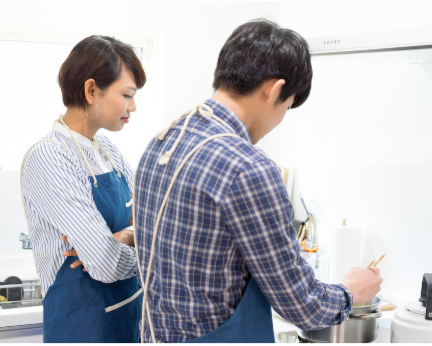
You’re Not Mad at Your Partner, You’re Mad You Didn’t Ask
Resentment in relationships is often less about what your partner didn’t do and more about the needs you never felt allowed to ask for. When you’ve learned to people-please, it can feel safer to stay quiet, and easier to blame your partner for not magically knowing what you need.

Tiny Changes That Make Your Day Less Stressful (and More Fun)
Feeling stressed and overwhelmed? Learn small, practical ways to reduce daily stress and boost your mood. This blog explores tiny, intentional changes, from morning micro-wins to little joys throughout the day that help you feel calmer, more focused, and happier.

Should I Stay or Should I Go? A Denver Therapist’s Guide to Deciding if Your Relationship Is Right for You
Should I stay in my relationship? A Denver therapist explains how to decide if a relationship is healthy, with journaling prompts and practical guidance.

The Difference Between Intuition and Anxiety in Relationships
Many people struggling with relationship anxiety find themselves constantly asking the same question: Is this my intuition, or is it just anxiety? When your mind is racing and your body feels on edge, it can be difficult to trust your own instincts. This post explores how anxiety and intuition can feel similar but often come from very different places. It helps readers understand how past relationship experiences, attachment patterns, and fear of rejection can amplify anxious thoughts, and offers guidance for recognizing the difference between a genuine inner knowing and anxiety-driven overthinking. The goal is to help readers build greater trust in themselves while creating more emotional safety and clarity in their relationships.

Not Sure How to Choose a Therapist? Start With These Therapy Consultation Questions
Choosing a therapist can feel overwhelming, especially when many people don’t know what they’re allowed or encouraged to ask during a consultation. This blog will guide readers through thoughtful, empowering questions they can ask to evaluate therapeutic fit, understand treatment approaches, and feel more confident starting therapy. It will normalize hesitation, reduce anxiety around first appointments, and help readers make informed decisions about care.

Letting Go of Control Without Losing Yourself: How Anxiety Drives Relationship Dynamics
Control often develops as a way to feel safe, especially in relationships that feel uncertain. This blog examines how anxiety fuels controlling patterns and how learning to soften control can lead to deeper connection and emotional relief.

Black-and-White Thinking in Relationships: How All-or-Nothing Thinking Impacts Self-Worth and Emotional Safety
This blog explores how black-and-white thinking (also called all-or-nothing thinking or cognitive rigidity) shows up in romantic relationships, self-esteem, and anxiety. It can explain how this pattern often develops, how it affects communication and conflict, and how therapy can help people develop more flexible and self-compassionate thinking.

How to Have Big Conversations in Your Relationship
Big conversations in relationships can feel overwhelming, especially if you struggle with the fear of conflict or aren’t sure how to communicate your needs clearly. In this post, you’ll learn how to have hard conversations with your partner in a way that feels grounded, direct, and emotionally honest, without escalating into unnecessary conflict. If you’ve been avoiding something important or second-guessing how to say it, this guide will help you approach those moments with more clarity and confidence.

Connection Without the Pressure: How to Feel Close Without a Big Conversation
This practical, reassuring post is for women who crave closeness but feel overwhelmed by the idea of a serious emotional conversation. It normalizes the desire for connection without intensity and offers simple, doable ways to reconnect—through shared experiences, physical closeness, playfulness, or brief emotional check-ins. The post emphasizes that connection doesn’t have to mean vulnerability marathons, and that small moments of attunement can build safety and closeness over time, especially for people with relationship anxiety.
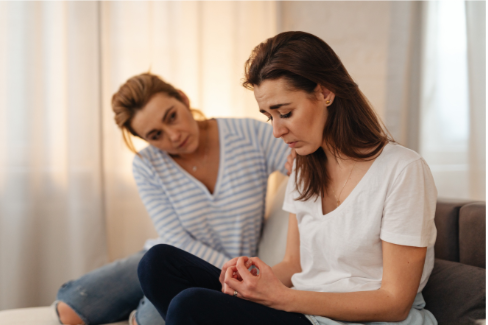
Why You Feel Responsible for Everyone Else’s Emotions
Many people who struggle with anxiety or people-pleasing feel a constant pressure to manage how everyone around them feels. When someone is upset, disappointed, or uncomfortable, it can feel like it’s somehow your job to fix it. This post explores why some people develop a strong sense of emotional responsibility for others, often rooted in early relationship patterns, family dynamics, or fear of conflict. It helps readers understand the difference between empathy and over-responsibility, and offers gentle guidance on how to care about others without carrying emotions that were never theirs to hold.

Why High-Achieving Women Still Struggle With Self-Doubt
This post explores why many high-achieving women still struggle with persistent self-doubt despite outward success. It connects perfectionism, people-pleasing, and childhood conditioning to the internal pressure many women feel and offers insight into how therapy helps rebuild confidence from the inside out.

Is It Anxiety? Listening to the Signals Your Body Might Be Sending
Anxiety doesn’t just live in your thoughts, it shows up in your body, too. From muscle tension and digestive issues to relentless fatigue, your body may be sending signals that something’s off. If you’ve been brushing off these symptoms as “just stress” or PMS, it might be time to listen more closely. Anxiety whispers through the body long before we recognize it in the mind and you don’t have to keep pushing through it alone. Therapy can help you tune in, release what you’re holding, and feel grounded again.

Living on Edge: The Link Between Anxiety and Feeling Unsafe in Your Own Skin
Living with chronic anxiety isn’t always about panic attacks or dramatic spirals. It can show up as constant tension, restless thoughts, and an ever-present feeling that you’re not truly safe in your own body or environment. For many women, this sense of unease extends into everyday life, from medical appointments to relationships and work. In this post, we explore how anxiety hijacks the nervous system, why women often feel it more intensely, and practical steps to rebuild a sense of safety and calm.

You’re Not Overreacting: How EMDR Can Soften the Impact of Childhood Stress
This post explains EMDR in a warm, accessible way for clients who know their reactions feel “bigger than the moment” but don’t fully understand why. It connects childhood emotional stress—not just obvious trauma—to adult anxiety, self-doubt, and relationship reactivity. The focus is on how EMDR helps the nervous system process unresolved experiences so they no longer hijack present-day relationships. Ideal for clients who intellectualize their struggles but feel stuck emotionally, this post reassures readers that insight alone isn’t always enough—and that EMDR can create real, embodied change.

When a Glass of Wine Is More Than a Glass of Wine: Drinking as a Coping Tool for Relationship Stress
This post explores how drinking can slowly shift from something enjoyable into a way of coping with chronic, unspoken stress—especially in romantic relationships. It speaks to women who struggle to voice their needs, fear rocking the boat, or feel anxious and disconnected from their partner. Rather than shaming or pathologizing alcohol use, the post reframes drinking as information: a signal that emotional needs aren’t being met. Readers will learn how relationship anxiety, people-pleasing, and emotional suppression can drive reliance on alcohol, and how to begin addressing the underlying stress instead of just the symptom.

Why You Keep Attracting the Wrong People When All You Want Is a Healthy Relationship
If you’ve ever asked yourself, “Why do I keep attracting the wrong people?” you’re not alone. When anxiety and low self-worth drive your dating patterns, even smart, self-aware women can end up in relationships that feel confusing, one-sided, or unsafe. This blog unpacks why it happens, how to recognize the cycle, and what it takes to finally break free.