
How Much Does Therapy Cost? Understanding the Price of a Therapy Session and What You’re Really Paying For
If you’ve ever wondered about the price of a therapy session or why the average price of therapy seems to vary so much, you’re not alone. People often ask: How do I find a good therapist? How many sessions will I need before my therapist can give me a diagnosis or I notice a difference? What are my goals? (check out this blog or others on my site to help you explore goals if you need some support.) And what’s the cost?
As you begin to search online and ask around, you’ll notice that the price of therapy fluctuates widely. In Denver, you can find therapists who accept insurance or who are out‑of‑network. Some charge less than $100 per session, others charge $250 or more. According to recent data, nationwide rates for therapy sessions generally fall between $100 and $200 per session.
But why does the price of therapy session vary so much? And how can you understand what you’re really paying for, behind the number on the bill?
What Drives the Price of Therapy
There are several factors that influence the price of therapy, and understanding them can help you make an informed decision.
Location & cost of living. Therapists in larger metropolitan areas, where rent, overhead, and general living costs are higher, tend to charge more.
Therapist credentials, experience & specialization. A therapist who is newly licensed or still accruing hours may charge less. Established therapists, or those with specialized training (e.g. trauma, couples therapy, EMDR), often charge more due to their advanced skills and expertise.
Session type & length. Individual therapy, couples therapy, family therapy, or specialized modalities may differ in price. Some sessions may be longer or shorter, which affects cost.
Insurance, superbills, and payment method. If you use insurance or get a superbill for out-of-network reimbursement, your out-of-pocket cost may be different than the therapist’s full fee. This can lower the immediate price of therapy session, though it depends on your plan.
Because of these variables, recommendations you see online, “therapy costs $100,” or “therapy costs $250,” can be misleading. The average price of a therapy session doesn’t guarantee that’s what you’ll pay.

Therapy Is More Than Just a Session Fee, It’s an Investment in Well‑Being
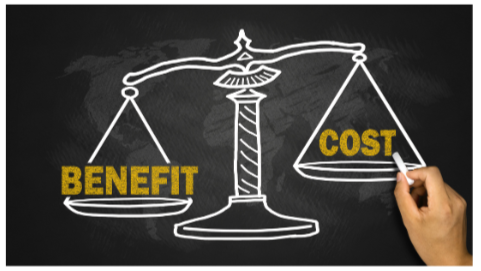
When you weigh the price of therapy, it helps to think of it as an investment in your long-term mental and physical health. Therapy isn’t just a one‑time expense: for many people, it's a consistent commitment to growth, healing, and greater emotional resilience.
Research supports this broader value. For example, treatments such as Cognitive Behavioral Therapy (CBT) have been shown to reduce psychological distress over time. One randomized controlled trial found that delivering CBT via internet‑based therapy for social anxiety reduced long‑term healthcare resource use compared with group therapy, demonstrating cost-efficiency from a provider perspective.
Similarly, a review of psychological interventions for chronic health conditions (like chronic pain) found that integrating therapies such as Mindfulness‑Based Stress Reduction (MBSR) or CBT produced health improvements while reducing overall societal and healthcare costs over time.
What you pay for in therapy isn’t just 50 minutes of talk. You’re paying for:
The therapist’s training, background, and clinical expertise
Time spent preparing, documenting, and conceptualizing, even when you’re not in session
A space to process emotions, heal trauma, challenge negative patterns, and build self‑awareness
Tools and coping strategies that can support you for years
The potential reduction of future mental and physical health struggles
That makes the price of therapy session not just a cost but an investment in your long‑term wellness, growth, and quality of life.
What to Consider Before You Commit: Goals, Frequency, and Fit
Therapy works best when you enter with clarity: What do you want to work on? For example, do you hope to manage anxiety, rebuild confidence, heal after loss, or learn to navigate relationships more effectively?
If you have specific goals (e.g. anxiety, self‑esteem, relationship patterns, parenting), working with a specialized, experienced therapist might yield more meaningful progress, even if that comes with a higher price of therapy session.
If you’re more flexible — exploring, learning, growing — a therapist earlier in their career, or someone offering lower rates, might still offer great value.
Frequency matters: weekly, biweekly, or monthly therapy will affect your budget and how quickly you make progress.
Ultimately, balance your emotional goals with financial reality. It’s okay to ask a therapist about realistic timelines or frequency based on what you can afford.
Ways to Make Therapy More Affordable Without Sacrificing Quality
If the price of therapy feels daunting, there are several strategies to make counseling more accessible:
Consider therapists who are newer or still building their practice. Their rates may be lower.
Look for therapists who offer sliding scale fees or income-based rates. Many clinicians reserve a small portion of their slots for sliding‑scale clients.
Ask about using superbills if you are out-of-network. Some insurance plans provide partial reimbursement.
Explore online or telehealth therapy options, which can minimize time away from work and cost of commute.
Consider group therapy, community mental health centers, or university training clinics. These often cost significantly less than private pay.
Prioritize therapy as a long-term investment. If therapy helps you improve relationships, reduce stress, and boost mental well‑being, it may save you more in healthcare costs and life quality over time.

The price of therapy session isn’t a one‑size‑fits‑all figure. It’s shaped by location, therapist background, session format, and more. While the average price of a therapy session in the U.S. tends to hover between $100–$200, actual rates can be higher or lower depending on many factors.
But therapy is more than a bill. It’s an investment in yourself: in your emotional health, relationships, resilience, and long-term well‑being. When you view therapy through that lens, not just as a cost, but as a commitment to growth, you may find that the benefits far outweigh the dollars spent.
If you worry about finances, know there are options and workarounds — sliding scales, lower‑cost providers, and smart use of insurance can make therapy accessible.
Your mental health, and the clarity, confidence, and healing that therapy can bring, is worth the investment.
If you’re in Colorado and want to work with a therapist specialized in helping you overcome the anxiety and self-doubt that comes from relationship anxiety and toxic relationships, reach out to schedule a free consultation.