
Why You Might Feel Lost in Your Relationship: How Perfectionism Shows Up in Love
You’re a woman who looks like she has her life together. You’re succeeding in your career, you’ve got your routines down, you have friends, and a calendar full of obligations proves just how busy you are. On the outside, your romantic relationship might look just as perfect as everything else. On the inside though, your relationship is the place that most highlights your insecurity, fear of failure, and need for control.

It can be confusing and stressful to feel so anxious and overwhelmed in the very area where you expect to feel calm and connected. You might wonder why relationships feel so hard or even feel like there’s something innately wrong with you, something you try desperately to cover up in other areas of your life. You might feel confused that you can’t just muscle your way into a perfect relationship, even though it seems like that’s been working in other areas of your life.
So many high-achieving, thoughtful, emotionally intelligent women come into therapy with these same concerns. And almost every time, the answer comes back to the same theme: perfectionism in relationships.
Perfectionism Isn’t Just About Work or School
When you think of perfectionism, you might picture good grades, a strong work ethic, punctuality, or staying on top of every project. You might even shy away from the term because you don’t see yourself as needing to be perfect.
“I wanted good grades in school, sure, but I didn’t need all As. A B+ or two was fine.”
“I want to succeed at work, who doesn’t? I don’t need to be the best, just really good.”
That’s still perfectionism. Perfectionism is about setting high, often unrealistic standards for yourself. And if you’re pushing yourself to be really good in multiple areas of life, chances are you’re dealing with the stress of perfectionism, even if nothing has to be absolutely perfect.
The frustrating truth is that perfectionism doesn’t stay confined to one space in your life. If you’re striving for perfection elsewhere, you’re likely carrying it into your romantic relationships too. Mix perfectionism, high-functioning anxiety, and love, and you have a very specific emotional storm: a woman who looks fine on the outside but feels deeply unsettled inside.
The result: you feel lost and confused in your love life, even when everything else in your life looks steady.

You Can Excel Everywhere and Still Feel Confused in Love
Feeling lost or confused in your relationship doesn’t mean you’re doing something wrong or missing something everyone else has figured out.
You don’t have to be broken, clingy, too much or not enough, or any of the other critiques your inner critic whispers at 2 a.m. What you’re feeling and how you’re reacting in your relationships is almost always connected to the patterns you learned to survive, succeed, and stay emotionally safe earlier in life.
For many women with high-functioning anxiety, life looks put-together on the outside. Internally, though, there’s a constant hum of self-doubt, pressure, and worry about letting people down. That inner pressure doesn’t magically disappear in love. It often intensifies.
Relationships are one of the few places where you can’t rely on productivity, performance, or competence to feel secure. You can’t control every aspect of a relationship when there’s another person involved.
You can’t over-plan your way out of vulnerability.
You can’t charm your way out of emotional uncertainty.
You can’t self-discipline your way through love.
This is exactly where perfectionism in relationships begins to take hold.
This blog expands on how self-esteem and anxiety shape the way you interpret your partner’s behavior, which is often a major layer underneath relationship perfectionism.
What High-Functioning Anxiety Looks Like in Relationships
Women with high-functioning anxiety often appear calm and capable while internally spinning. That pattern translates directly into the way you date, connect, attach, or handle conflict.
Here’s what it can look like:
You second-guess your needs before you even say them.
You’re afraid to ask for reassurance, even though you desperately want it. Or you ask too often, which spirals you further into insecurity.
You replay conversations to figure out what you did wrong.
You’re sensitive to tone shifts or distance.
You want closeness but fear being a burden.
You rarely relax, even when things are going well.
You feel responsible for keeping the relationship running smoothly.
You downplay your own feelings to avoid drama or tension.
If you’re experiencing high-functioning anxiety and perfectionism in relationships, this isn’t a flaw. It’s a sign that your nervous system is on high alert, working overtime. And yes, your perfectionism didn’t disappear just because you fell in love (so frustrating, I know).
How Perfectionism Sneaks Into Your Relationship
1. The Fear of Being Too Much
One of the biggest markers of perfectionism in relationships is the fear of being too much or too needy. You might hold back emotions, wait to see how your partner feels before you share your own, or convince yourself, “I don’t want to be dramatic” or “It’s fine, it’s not a big deal,” even when it actually feels like a big deal inside.
Trying not to be too much is a trademark of high-functioning anxiety. It creates distance and loneliness as you betray your own needs in an effort to steer the relationship in the right direction.

2. The Internal Pressure to Be the Perfect Partner
This shows up as:
Overthinking your tone
Worrying whether you sounded needy
Checking your partner’s mood as a barometer of how you’re doing
Feeling like you have to earn stability in the relationship
Perfectionism in relationships often sounds like:
“I should’ve handled that better.”
“I shouldn’t need reassurance.”
“He wouldn’t be upset if I were more patient.”
“She wouldn’t have pulled away if I were more laid-back.”
3. Hyper-Independence as Protection
High-functioning women often pride themselves on being independent, self-reliant, and low-maintenance. You might tell yourself:
“I don’t need anything from them.”
“I can handle it.”
“I don’t want to bother them.”
Hyper-independence can sound strong, but emotionally, it’s often a trauma-response or a learned way to feel safe. Relying on someone else feels vulnerable, and therefore risky.
4. Attraction to Emotionally Unavailable Partners
This one is uncomfortable to face, but important. Many women with high-functioning anxiety and perfectionism in relationships unconsciously choose partners who are avoidant, inconsistent, or hard to read. These kinds of partners feel familiar and activate the part of you that wants to prove that you’re good enough.
Perfectionism in relationships tells you:
“If I can get someone who’s distant to choose me, then I’m worthy.”
You’re seeking validation that you are enough and worthy of love. But just like perfectionism elsewhere promises relief when you achieve a milestone, this pattern rarely fosters true intimacy. Instead, it creates exhaustion and amplifies anxiety.
5. Over functioning in the Relationship
You might:
Plan everything
Manage emotions for both of you
Be the problem-solver
Keep the peace
Initiate all the conversations
Smooth tension before it even rises
You do too much; they do too little. You feel resentful, lonely, or unappreciated, but you blame yourself instead of noticing the dynamic or your partner’s readiness for the relationship.
Why High Standards Feel Safe and Why They Keep You Stuck
Perfectionism can feel like protection against failing or living up to your fear that you aren’t good enough. High standards can feel like boundaries and taking care of yourself. And appearing to be low-maintenance can look like being secure. But the truth is, perfectionism isn’t protection against your fears. It’s a belief that if you don’t bend over backwards, your core “not enough” will be revealed.
Your high standards aren’t keeping your relationship safe, they’re keeping you exhausted and disconnected from your own emotions. They keep you from being known and loved as a whole, complex, emotional human being, flaws and all.
Perfectionism in relationships teaches you:
Don’t show messiness
Don’t need too much
Don’t disappoint
Don’t take up space
Don’t upset anyone
Don’t let anyone see your insecurities
And all of these rules reinforce the belief:
Love is conditional. If they really see me, they won’t love me.
If you grew up needing to earn connection, behave perfectly, or avoid conflict to feel safe, your adult relationships will reflect that until you consciously interrupt the pattern.
The Emotional Fallout: Why You Feel Lost in Love
Combine perfectionism, high-functioning anxiety, and romantic vulnerability, and the emotional load can feel heavy.
You might feel:
Confused
Uncertain
Anxious
Self-critical
Lonely
Tired
You may expect your relationship to feel secure and calm, but instead, it often feels stressful and exhausting.
This is exactly when many women seek therapy for perfectionism. It’s not that you don’t know how to love or aren’t worthy of love, it’s that your nervous system has been wired to stay hyperaware and hyper-responsible, often reinforced by previous relationship patterns.
For a deeper dive, check out: Therapy for Relationship Anxiety: How to Break Free From Worry and Strengthen Connection
What Healing Actually Looks Like
Perfectionism doesn’t disappear overnight. It took years of cultivating these behaviors to feel safe, and you can’t just let your guard down instantly. Healing is about awareness and gradual shifts that allow you to show up as your true, flawed, unique self.
1. Learning to Identify Your Needs Without Apologizing
Many women with high-functioning anxiety suppress their needs. Therapy helps you:
Recognize your emotional needs
Express them kindly and confidently
Stop minimizing or justifying them
It’s not dramatic to have needs. It’s human.
2. Understanding Your Triggers With Compassion
Instead of spiraling into self-blame (“Why am I like this?”), therapy helps you understand:
Why certain behaviors feel threatening
How past experiences shaped your nervous system
What your anxiety is trying to protect you from
Compassion reduces overthinking and increases clarity.
3. Practicing Emotional Vulnerability in Safe, Gradual Ways
This doesn’t mean dumping feelings all at once. It means:
Saying how you feel in the moment
Asking for reassurance when needed
Being honest about confusion
Sharing instead of swallowing
Vulnerability is scary and messy, but it’s essential for intimacy and connection.
4. Challenging the Inner Critic
The inner critic fuels perfectionism with messages like:
“You’re too much.”
“You’re not enough.”
“You should know better.”
“You’re hard to love.”
Therapy helps you rewrite that script, not with toxic positivity, but with grounded self-trust and emotional truth.
5. Creating Relationships That Feel Safe, Reciprocal, and Nourishing
Perfectionism often draws you toward partners who don’t meet your emotional needs. Healing shifts your template for connection. You start choosing partners who are:
Consistent
Emotionally available
Kind
Curious
Stable
Honest
You stop working so hard to be loved and start allowing yourself to be loved by people who are capable and ready.
How Therapy Helps You Build Secure, Healthy Love
Good therapy doesn’t judge, shame, or label you. Therapy that understands high-functioning anxiety and perfectionism in relationships gives you space to breathe, understand yourself, and shift patterns.
Therapy helps you:
Understand where your patterns come from
Stop blaming yourself
Build emotional safety internally and with others
Feel grounded instead of panicked
Trust your instincts
Stop dating people who don’t choose you fully
Communicate with clarity and confidence
Feel stable even when relationships feel uncertain
The real transformation is this:
You no longer twist yourself into the perfect partner. You become the real partner. The one who’s fully present, expressive, attuned, and true to yourself.
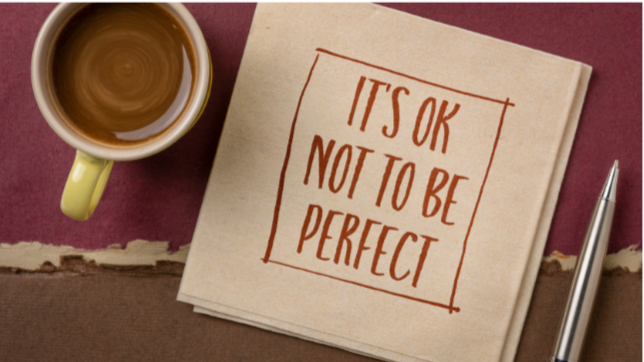
High-functioning anxiety, perfectionism, and self-doubt make love feel harder than it needs to be. But you don’t have to stay stuck. Therapy for perfectionism can help you understand yourself, calm the noise in your mind, and show up in your relationships with clarity, confidence, and connection.
Reach out today to book a session in Denver or online throughout Colorado. Build a relationship that feels safe, steady, and deeply fulfilling, without having to be perfect.