
You Don't Have to Earn Rest
If you’ve ever felt guilty for sitting down, struggled to relax without mentally checking your to-do list, or believed that rest is something you have to earn, you’re not alone. Many women carry this internal pressure, driven by a culture that equates worth with output. But what if that mindset is actually fueling your anxiety rather than managing it?
The Anxiety of Always Doing
Anxiety isn’t just about the occasional worry or stress. For many women, it shows up as persistent tension and an inner voice that says:
“If I stop, everything will fall apart.”
“I don’t deserve to rest until everything is perfect.”
“Resting feels like I’m being lazy or selfish.”
Our productivity culture values constant motion, equating busyness with importance, even at the expense of mental and physical health. For many women, the pressure is amplified by caregiving roles, emotional labor, and social expectations.

The Hidden Social Dynamics Behind Women’s Rest Guilt
It’s not just internalized perfectionism or a busy schedule; social dynamics also shape how women feel about rest:
The Invisible Labor Trap: Women frequently carry the bulk of invisible labor: managing household logistics, tracking birthdays, keeping emotional tabs on others. This unrecognized work keeps the mental load high and makes rest feel indulgent or neglectful. (The Second Shift – Hochschild & Machung)
Social Comparison: Scroll through Instagram or TikTok and you’ll see “thriving” women juggling careers, homemade meals, workouts, and parenting, all with a smile. Comparing your exhaustion to someone’s curated image can increase anxiety, shame, and the belief that you should be doing more.
Self-Sacrifice as Virtue: Generations of social conditioning have taught women to prioritize others' needs over their own. Selflessness is rewarded, while rest and boundary-setting are often framed as selfish, making guilt around rest almost automatic.
When Hustle Becomes Harmful
Our always-on culture isn’t harmless, it has real consequences:
Increased rates of chronic stress and burnout (World Health Organization)
Heightened anxiety and depression symptoms (American Psychological Association)
Greater risk of sleep disruption, heart disease, and immune system dysfunction (Mayo Clinic)
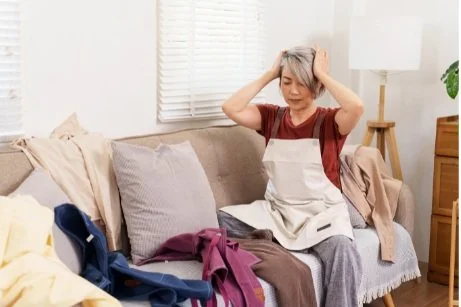
How Perfectionism Traps Women in Exhaustion
Perfectionism isn’t just wanting things to go well, it’s an anxious drive to avoid failure, criticism, or rejection. It often looks like:
Overworking past your limits
Avoiding rest for fear of “falling behind”
Self-criticism and chronic doubt
Women with perfectionistic tendencies are more vulnerable to anxiety, depression, and burnout (Cognitive Behaviour Therapy, 2023).
Rest Is Not a Luxury, It’s a Biological Need
Rest doesn’t just feel good, it literally heals you. Your nervous system is wired for balance between action (fight/flight) and recovery (rest/digest).
According to the National Institutes of Health, sleep deprivation and chronic stress impair brain function, mood regulation, and immune function. Without recovery, your body stays stuck in survival mode.
What rest does that you might not know:
Activates your parasympathetic nervous system, lowering heart rate and cortisol levels
Stimulates the vagus nerve, improving emotional regulation and immune response
Supports neural plasticity, allowing your brain to rewire, adapt, and recover from anxiety and stress
The Emotional Costs of Rest Deprivation
The impacts aren’t just physical. Without adequate rest, emotional capacities suffer:
Reduced empathy and patience
Heightened emotional reactivity
Lowered ability to self-soothe
In relationships, this can manifest as irritability, disconnection, or difficulty being present, all of which can reinforce anxiety and shame, and the belief or fear that you’ll be alone forever.
The Cycle of Earning Rest (and Why It Doesn’t Work)
Many women live in a cycle: push to exhaustion → feel guilty for resting → overcorrect by doing more. It feels responsible, but it’s self-defeating.
This cycle leads to:
Emotional exhaustion
Physical burnout
A deeper sense of inadequacy
Recognizing this cycle is the first step to breaking it.
Rest as Self-Compassion
Rest doesn’t make you lazy. It means you’re human. And embracing that truth, especially in a world that tells you to keep going, is radical self-compassion.
You can begin by:
Setting gentle boundaries around your time and energy
Listening to your body’s signals without judgment
Reframing rest as fuel for productivity and resilience
Replacing “I have to earn rest” with “I deserve rest because I am human”

5 Small Ways to Rest Without Guilt
Resting doesn’t have to mean doing nothing for hours. Here are a few ways to start:
Schedule short 5-minute breaks to breathe and reset.
Practice single-tasking. Let your brain focus on one thing.
Build a relaxing bedtime routine without screens.
Try mindfulness or body scans to settle racing thoughts.
Say “no” to one unnecessary obligation this week, and don’t apologize for it.
If you’re ready to build a healthier relationship with rest and self-worth, I’d love to help. I specialize in supporting women navigating anxiety, burnout, and self-worth struggles. Reach out to schedule a free consultation and learn how therapy can help you reclaim your rest.