
Living on Edge: The Link Between Anxiety and Feeling Unsafe in Your Own Skin
If you’re lucky enough not to experience anxiety, it might be hard to imagine what it’s really like. When many people think of “anxiety,” they picture panic attacks, dramatic spirals like you’d see in a TV show, or someone who can’t get through daily life. But for those who live with chronic anxiety, it often looks very different.
Anxiety can be subtle and persistent, more like a hum in the background than a sudden storm. It might show up as constant chatter in the back of your mind, a restless tension in your body, or an ever-present alertness to what could go wrong. Over time, this kind of anxiety chips away at something deeper: your sense of safety. Even when you’re not in danger, it can feel hard to trust that you’re truly safe in your environment, in your relationships, and even in yourself.
What “Safety” Really Means
Safety doesn’t only mean physical safety. You can know logically that you’re not in harm’s way while sitting in your doctor’s office on a Tuesday afternoon waiting for a check-up. But “safety” is more layered than just the absence of danger.
True safety includes emotional safety (feeling you won’t be judged, dismissed, or shamed), relational safety (trusting the people around you and knowing you’ll be treated with respect), financial safety (confidence that your needs will be met and you’ll be able to provide for yourself), and body autonomy safety (feeling ownership and control over your own body and choices).
In that doctor’s office, you might not worry about your physical safety at all. But emotional or body autonomy safety may feel shaky if you’re anxious about being weighed, judged for your habits, or dismissed about symptoms you’ve been paying attention to recently. Even though you know you’re safe, your body and mind may not agree. When anxiety is present, that gap between knowing and feeling can be wide, and it can instinctively shape the way you move through your day.

How Chronic Anxiety Impacts Safety
Anxiety doesn’t often care about reason or rational thought. Sitting in that same doctor’s office, your body may react to a perfectly normal situation as if it were a threat: your heart begins to race, your breath shortens, your stomach clenches, your muscles tighten. You might desperately want to “calm down” or “think differently,” but your nervous system has already switched into overdrive.
This is because the fight-or-flight response, your body’s built-in survival system, is often overactive in people with chronic anxiety. Instead of only activating when there’s real danger, it flips on during everyday moments: hearing silence after sending a text, walking into a crowded room, or listening to the second hand tick as you wait for far too long in that doctor’s office.
Once fight-or-flight takes over, it’s incredibly difficult to just will yourself into feeling calm. Anxiety hijacks both thoughts and behavior. You might avoid things you care about, lash out when you don’t mean to, or freeze and feel paralyzed—all because your nervous system is convinced you’re unsafe, even when you are very aware that you are not in harm’s way.
This cycle reinforces itself: the more your nervous system stays stuck in overdrive, the more unsafe you feel. Anxiety becomes its own stressor, and stress in turn reshapes how your nervous system functions, keeping it sensitive, jumpy, and primed for alarm. Over time, even something as simple as a check-up can leave you feeling drained and disconnected from your own sense of safety.
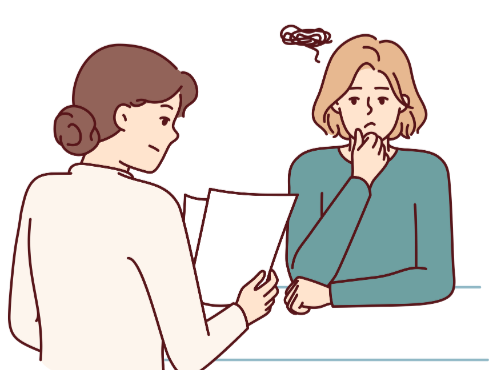
Why Women Feel This More Strongly
Anyone can experience anxiety, but many women carry an added burden when it comes to safety. Cultural messages, lived experiences, and social expectations often combine to make women more vulnerable to feeling unsafe and this can extend even to situations where no immediate danger exists.
Take the doctor’s office example again. For many women, that waiting room isn’t just about a routine check-up. It can stir up layers of anxiety connected to:
Body image and weight stigma: Dreading the moment you’re asked to step on the scale or anticipating judgment about your appearance or lifestyle.
Dismissal of symptoms: Many women have experienced bringing concerns to their doctor only to feel brushed off or not taken seriously. Even if a symptom is related to anxiety, being told it’s “just anxiety” can feel minimizing, leaving you feeling unseen and making it harder to trust that medical professionals or your even own body have your safety in mind.
Body autonomy: Feeling pressured into tests, treatments, or questions you’d rather not answer, leading to a sense of loss of control.
Emotional load: Even sitting in the waiting room can feel stressful if you’re thinking about the argument you had with your partner earlier or the fact that your kids need you soon.
This is true far beyond the doctor’s office. Many women carry heightened vigilance in daily life: walking to your car at night, navigating dating or relationships, or asserting boundaries at work. These situations aren’t neutral; they’re shaped by the possibility of being dismissed, criticized, or even harmed. When chronic anxiety is also present, these layers of concern can leave your nervous system on high alert, making it difficult to distinguish between legitimate vigilance and anxiety-driven hyperawareness.
Women’s anxiety is rarely just about internal worry. It’s also about navigating a world that too often questions, minimizes, or pressures them. That combination—an overactive nervous system paired with external pressures—makes it especially difficult to feel at home in your own mind and body.
The Vicious Cycle
Chronic anxiety doesn’t just make you feel unsafe, it can actually reinforce the very sense of danger it creates. It’s a cycle that can feel impossible to break:
Anxiety signals danger. Your nervous system reacts as if you’re at risk, even when the situation is objectively safe. Like sitting in the doctor’s office with your heart racing, muscles tense, mind spinning with “what-ifs.”
Behaviors follow. To manage the discomfort, you might avoid the situation altogether, perhaps even canceling the appointment to escape the anxiety. While this can bring short-term relief, it also reinforces the message that the world—or even your own body—can’t be trusted.
Sense of safety erodes. Over time, avoiding the appointment, or hyper-checking, over-preparing, or people-pleasing to reduce perceived threats, deepens the feeling that danger is everywhere. The unknowns of your health, fear of judgment for taking time away from work or family or worry about what the doctor might say can keep your nervous system on high alert. Eventually, even normal daily tasks start to feel unsafe.
Because anxiety activates your nervous system, it’s not just “in your head.” Stress hormones keep your body in a heightened state of alert, making it even harder to regulate emotions or behavior. The result is a feedback loop: anxiety makes you feel unsafe, your behaviors attempt to manage the threat, but the very act of managing reinforces the underlying anxiety.
Breaking this cycle doesn’t happen overnight but understanding it is the first step. Recognizing that your nervous system is responding as if there’s danger, regardless of the situation, can help you respond with curiosity and compassion rather than frustration or self-blame.
How Therapy Can Help Rebuild Safety
Chronic anxiety can feel overwhelming and all encompassing, but it is possible to rebuild a sense of safety in your body and mind, and therapy can be a powerful tool in that process. Therapy doesn’t just help with thoughts; it works with the nervous system, emotions, and behaviors that anxiety touches.
Some ways therapy can help include:
Nervous system regulation: Learning grounding techniques, breathwork, or gentle movement practices to calm the body when it’s in overdrive. These practices help you notice when your body is signaling danger unnecessarily and give you tools to return to a state of calm.
Building self-trust: Anxiety can make it hard to rely on your own judgment. Therapy can guide you in making small, safe choices and keeping promises to yourself, helping you rebuild trust in your own decisions.
Setting boundaries and relational safety: Feeling unsafe often arises in relationships, whether with a partner, family, or colleagues. Therapy can help you identify where you need limits and practice asserting them safely, reinforcing that you can create protective spaces for yourself.
Working with the inner critic: Anxiety often brings harsh self-judgment. Therapy helps you notice these critical thoughts, understand their origin, and replace them with more compassionate, grounding perspectives.
Understanding the vicious cycle: Therapy provides clarity on how avoidance, hypervigilance, and anxious behaviors reinforce the sense of lack of safety, giving you tools to respond differently and gradually break the cycle.
Even small steps, like going to a medical appointment despite discomfort, expressing a boundary, or noticing a racing heartbeat without judgment, can gradually rebuild your sense of safety. Over time, these practices help your nervous system recognize when it is truly safe, and anxiety loses some of its power over your daily life.
Practical Coping Tools
Along with therapy, there are practical strategies you can use in daily life to help your nervous system feel safer and your mind feel more grounded. These tools won’t eliminate anxiety overnight, but they can give you a sense of control and help break the cycle of constant hypervigilance.
Grounding exercises: Focus on one or all of your five senses to bring yourself into the present. For example, notice five things you can see, four you can touch, three you can hear, two you can smell, and one you can taste.
Breathwork: Slow, deep belly breaths help regulate the nervous system and counteract the fight-or-flight response. Even a few minutes can make a noticeable difference.
Gentle movement: Walking, stretching or yoga can release stress from the body and signal that it’s safe to relax.
Micro-boundaries: Small steps to create safety in daily life, like stepping away to breathe during a stressful conversation or saying “no” to an extra obligation that overwhelms you.
Gradual exposure: Slowly facing anxiety-provoking situations, like a medical appointment or social event, in manageable steps with support, helps train your nervous system to recognize safety.
Using these tools consistently can help your body and mind begin to experience what safety actually feels like. Over time, you’ll build both resilience and confidence in your ability to handle anxiety-provoking situations without being hijacked by them.

Rebuilding a Sense of Safety
Chronic anxiety can make it feel like the world, and sometimes even your own body, is constantly on high alert. But it doesn’t have to feel this way forever. Understanding how anxiety impacts your nervous system, behaviors, and sense of safety is the first step toward reclaiming calm and confidence.
With therapy, practical coping tools, and small, intentional steps, you can begin to rebuild trust in yourself, your body, and your environment. Every step, no matter how small, matters: going to that doctor’s appointment despite discomfort, setting a boundary at work, or simply noticing your breath when your body is tense. These moments are proof that safety can be experienced again, even when anxiety has felt all-consuming.
If you’re ready to explore what it could feel like to feel safe in your own mind and body, support, guidance, and strategies are available. Schedule a consultation and let’s see if I can help you break the cycle of anxiety and move toward a life that feels grounded, secure, and calm.