
Is It Anxiety? Listening to the Signals Your Body Might Be Sending
When we talk about anxiety or think about what it feels like, we tend to think of the mental symptoms: the racing thoughts, constant worries, what-ifs, fears about the future or replaying how you showed up in the past. But anxiety isn’t just a mind game. It shows up in the body, too. It can show up physically in ways that we might try to power through, ignore, or that even spark fears (and more anxiety) about your physical health.
If you’ve been noticing some uncomfortable physical sensations recently, it’s worth taking a closer look at what might be going on inside your body, and what your body is trying to tell you.

Common Physical Signs of Anxiety
You don’t need to be in the middle of a panic attack for anxiety to be affecting you physically. In fact, many people don’t realize they’re dealing with anxiety because it shows up subtly or primarily through physical symptoms. You might notice:
Trouble sleeping, especially due to racing thoughts or waking in the middle of the night
Tension in your body such as tight shoulders, headaches, jaw clenching
Fatigue that doesn’t go away even after a full night’s sleep
Digestive issues, like bloating, nausea, or IBS symptoms
A racing heart or shortness of breath, especially when nothing is wrong
Overthinking everything from texts to to-do lists
Irritability or restlessness, even when you’re trying to relax
A harsh inner critic—feeling like you’re not good enough, no matter how much you do
Sound familiar? You’re not alone, and you’re not imagining it.
Why Anxiety Affects Your Body
Your amygdala is a small part of your brain that processes emotions, including fear and anxiety. It assesses the emotional significance of situations and determines if something is a threat. When your amygdala is overactive, it perceives threats more often and more easily than necessary or helpful.
When the amygdala detects a threat, it signals your brain and body to trigger the fight-or-flight response. In someone with minimal anxiety, this response switches on and then off as needed. But when you’re stuck in fight-or-flight due to anxiety, chronic stress, or trauma, your amygdala constantly scans for danger, often perceiving it where there is none. That heightened state of alertness takes a toll.
In fight-or-flight mode, your body prepares to either fight or flee. Hormones like adrenaline and cortisol flood your system, slowing digestion, redirecting blood flow from your limbs to vital organs, and increasing heart rate, blood pressure, and breathing — all to help you survive a threat.
Over time, if you’re stuck in this state, your muscles remain tense, your digestion goes haywire, and your sleep quality suffers. You likely feel exhausted. Your body is wise. It holds onto stress that you don’t have time or capacity to process consciously.
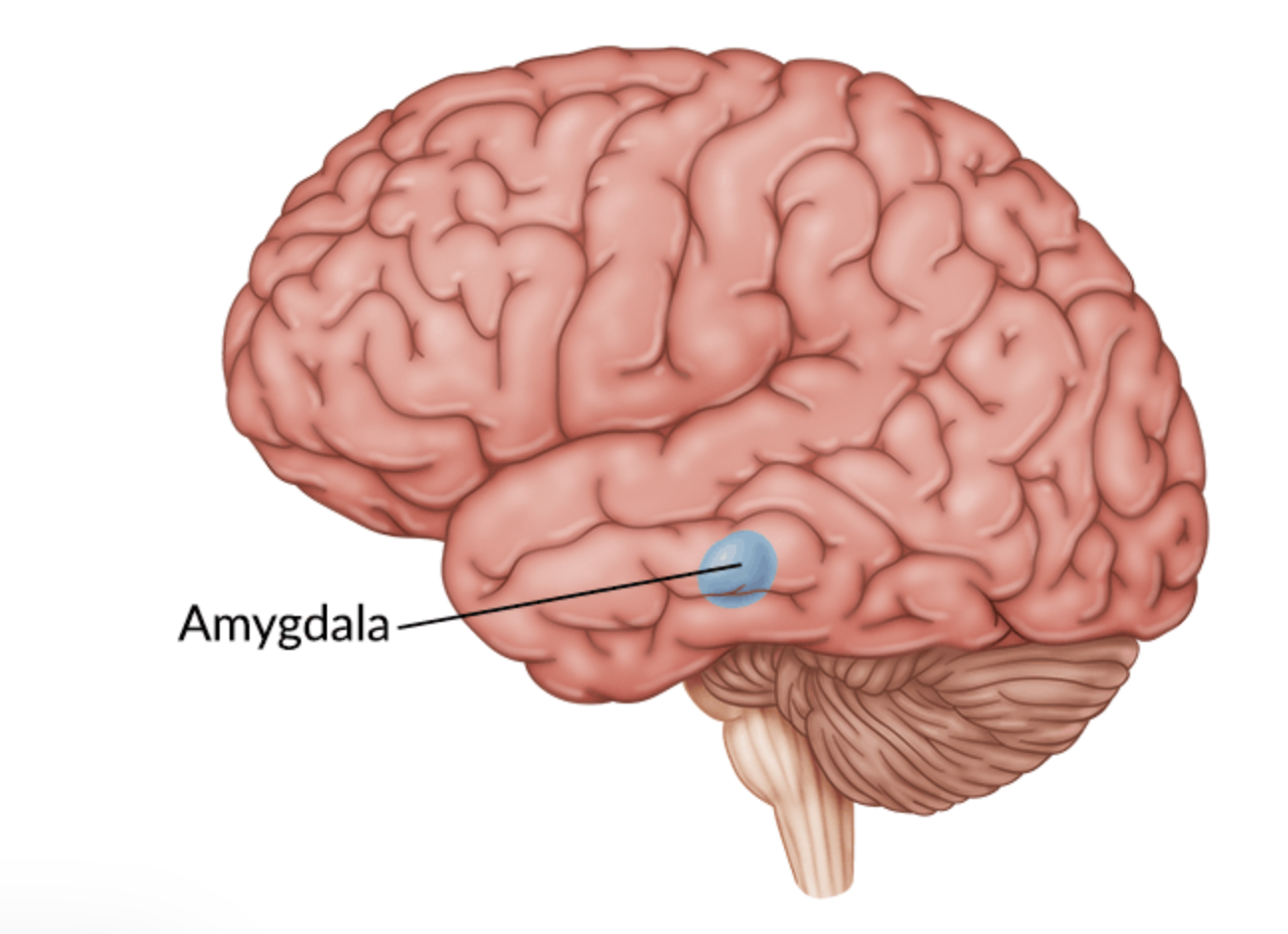
They amygdala is a small section of the brain. Flint Rehab. (2022, November 7)
For women especially, anxiety can intensify during major life transitions. Hormonal shifts, fertility struggles, pregnancy, postpartum changes, and navigating relationship or career shifts all can increase anxiety. Experiencing heightened anxiety during these times doesn’t mean you’re failing or broken, it means your nervous system is understandably under pressure.
When Anxiety Gets Mistaken for PMS or “Just Stress”
For many women, anxiety symptoms ramp up around their menstrual cycle. While it’s often dismissed as just PMS, these symptoms aren’t always purely hormonal. The emotional ups and downs, fatigue, irritability, and physical discomfort labeled as PMS may actually be signs that your nervous system is overwhelmed.
Because women are often socialized to “push through” and not make a fuss, these symptoms get minimized or dismissed, even by ourselves. But anxiety is real, and it can amplify physical pain and discomfort. Headaches, cramps, back pain, and digestive issues can all feel more intense when your body is holding anxiety.
If you’ve ever wondered, Am I just being dramatic? or Why can’t I handle this like other people can? you’re not alone. Anxiety amplifies everything. And you don’t have to minimize it anymore.
When to Consider Therapy
So how do you know when it’s time to get help? If you’ve ruled out medical causes and still feel:
Constantly on edge
Unable to fully relax or enjoy the moment
Overwhelmed by self-doubt and mental chatter
Stuck in unhealthy relationship patterns or burnout cycles
…it might be time to talk to someone.

Therapy isn’t about fixing you, because you’re not broken. It’s about understanding what your body and mind are trying to tell you. It’s about building tools to calm your nervous system, challenge that relentless inner critic, and feel more grounded and confident in yourself again.
Therapy gives you space to breathe. Space to feel, reflect, and reconnect with yourself. Together, we work in a warm, supportive environment, whether in-person or virtually, to help you feel like you again.

If you’ve been brushing off your physical symptoms, telling yourself it’s just stress, PMS, or that you should be able to handle it, it might be time to look a little deeper. Anxiety doesn’t always show up as racing thoughts or panic. Sometimes it whispers through your body: in headaches, digestive issues, muscle tension, or relentless fatigue.
These are not overreactions. They’re signals from your nervous system that something needs attention. Women’s anxiety symptoms are often misunderstood or minimized, but that doesn’t mean they’re any less real. You don’t have to keep pushing through or managing it all alone. Therapy can help you understand what your body is telling you, learn how to release it, and start feeling more calm, clear and grounded again (or finally!).
If you’re experiencing physical symptoms of anxiety and are ready to understand and release what your body is holding, reach out to see if we might be a good fit. You don’t have to navigate this alone. Support is available!