
When a Glass of Wine Is More Than a Glass of Wine: Drinking as a Coping Tool for Relationship Stress
You think back to your first date: a few cocktails, a lot of laughs, some flirtatious energy as you got to know each other. It seemed so easy, and those few drinks really helped you to loosen up and be the most fun version of yourself.
Now, some time later, you look down at your glass of wine and see your partner across the table—maybe scrolling through their phone or sitting quietly. You take a sip, hoping it will take away the tension you’ve been feeling recently. The discontent, the confusion. For a fleeting moment, you wonder: is this a crutch? Have I started leaning on alcohol too much? But then you let the thoughts fade along with the feelings of discontent and confusion, as you focus on your partner and decide to try to enjoy the evening.

That lingering doubt, worrying about your relationship with alcohol, or the intersection of alcohol and relationship problems with your romantic partner, may actually be alerting you to something important. It may be telling you something about your inner life and about your relationships.
From Enjoyable Drinking to Drinking to Cope with Stress
Many women start drinking without even thinking about it as a choice. It’s something you do with friends. Something you experiment with when you’re young. Then perhaps you find that it’s fun, helps you feel social, and is relaxing. Maybe it brings out a silly or adventurous side that you’re proud of, that you enjoy feeling as much as people around you enjoy seeing.
Over time, those same positive qualities that felt enhanced with a few drinks can begin to shift from an innocent enjoyment to a way to manage stress. A drink after a long day, a drink to quiet your nerves before a new date, a drink with friends to talk about your relationship problems. Drinking can start to mask the stress of everyday life, and especially the stress that comes from romantic relationships.
Early on in a relationship, you may notice that a cocktail helps you calm your nerves, feel more confident, or avoid overthinking over text message.
In long-term relationships, a drink can feel like a buffer again tension between you and your partner, or between you and your own thoughts about the relationship. It can feel like a way to smooth over conflict without having to really address it, or to quiet your anxiety when you feel unheard or disconnected.

Drinking to cope with stress in your relationship can feel like it fixes the issue in the moment, like you’ve successfully pushed it out of your mind, whether that’s your lack of confidence on a first date or anxiety in your fifth year together. But often, what it’s really doing is reinforcing a pattern of avoidance. It can create a cycle of not dealing with the issues that are coming up for you, leaving them resurface in new and uncomfortable ways– both in your relationship and outside of it. Over time, this often affects your own emotional well-being and the health of your relationship.
Looking Beneath the Surface
Alcohol is a nuanced topic. Depending on what you search online, you can find articles praising the benefits of a glass of wine a day or warning about the long-term damages to your brain from drinking. Emotionally, drinking isn’t inherently bad or wrong.
Many of us grew up seeing alcohol used as a coping tool. A way of letting loose, a social norm, even a rite of passage in high school or college.
you’re noticing your relationship with alcohol changing: drinking more than you used to or drinking to cope with stress or emotional discomfort, it can be really helpful and a way to take care of yourself to pause and check in. Is your relationship with alcohol a sign that something deeper is going on?
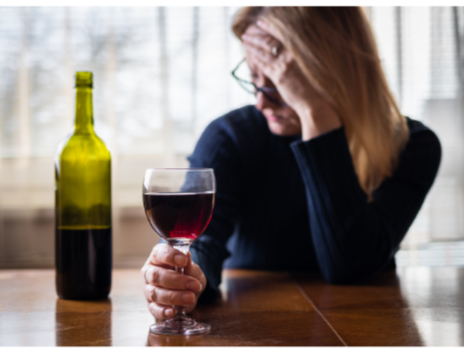
You may be masking the uncomfortable reality that your emotional needs aren’t being met. You may be trying to ignore emotional reactions that aren’t comfortable to sit with.
Alcohol can (temporarily) soothe relationship anxiety, soften people-pleasing tendencies, and make asserting your needs feel more accessible. But over time, it can actually make it harder to identify where you really stand, what you actually want, and how to speak up for your needs and feel fully connected with your partner.
Understanding the Link Between Alcohol and Relationship Problems
Regularly leaning on alcohol to quiet those uncomfortable emotions and cope with stress can deepen the very patterns that affect you in your romantic relationships (and likely impact your partner, too).
Emotional Numbing: alcohol temporarily dulls the anxiety you’re feeling, but that relief often rebounds later, leaving you feeling even more anxious and insecure. Even in the moment with less anxiety, alcohol can reduce you ability to connect authentically with your partner.
Communication Gaps: Alcohol can feel very helpful when you’re trying to avoid an uncomfortable conversation or get through it as painlessly as possible. While alcohol does mask discomfort, important conversations can be avoided or pushed through without really addressing the issues that your relationship would benefit from addressing.
Erosion of Self-Trust: Relying on drinking to manage feelings also works in the moment. Alcohol increases dopamine production in the brain, making you feel more happy or euphoric in the moment, but the rebound of that effect can often leave you feeling anxious, depressed, and insecure. It can reinforce self-doubt and uncertainty about your own needs, as they once again emerge after your sober up.
Therapy for emotional drinking can help you understand your unique patterns of drinking to cope with emotional distress, stress, or relationship issues. It can help you explore how alcohol and relationship problems are intertwined. A therapist can help you identify the underlying stress that alcohol has been temporarily masking.
Why Women Lean on Alcohol in Relationships
We may have come a long way since the 1950’s housewife stereotype, but there’s still room to grow. Women are often socialized to suppress needs, being told they’re needy or dramatic for expressing valid and honest feelings. They’re expected to keep the peace, manage emotions, and keep the people around them happy.
These societal pressures can lead to or exacerbate people-pleasing tendencies, can fuel relationship anxiety, and can foster self-doubt in relationships. With all this in the background, alcohol can gradually shift from a way to let loose to a coping mechanism - subtly and without you even realizing it.
Perhaps you’ve been feeling neglected or hurt. You hesitate to speak up about your needs because you don’t want to upset your partner or sound dramatic. A glass of wine after a moment of disappointment helps you release the tension, but it doesn’t solve the underlying issue, leaving it to continue to fester in the background without you knowing what to do or how to fix it.
Maybe you’re feeling disconnected on a date night. Another cocktail helps you liven the mood and ease the discomfort, but it doesn’t fix the emotional gap, leaving it to continue to grow over time.
Maybe you notice yourself drinking alone after a fight, feeling like it’s a way to unwind and release the stress. But the stress cycle continues tomorrow, when the tension is still present.
Alcohol may put a band-aid on a specific situation but it doesn’t give you the skills to fix what’s really wrong. Therapy for coping with alcohol use can provide guidance to help you navigate these patterns, teaching you tools to respond to stress, people-pleasing tendencies, or emotional vulnerability without relying on alcohol.
Practical Steps to Reduce Drinking to Cope with Stress
If you’re feeling seen by this blog, but unsure where to start, here are some strategies to help you manage anxiety, build confidence, and reduce reliance on alcohol:
Identify the Emotion.
Before reaching for a drink, pause and ask: What am I really feeling right now? Anxiety, loneliness, frustration? Naming the emotion helps you build awareness of what’s beneath the surface, and is the first step toward addressing it.
Practice small acts of assertiveness.
Voice a minor need or preference. It may be choosing a restaurant, a weekend plan, or a bedtime routine. Each small win helps you build confidence and strengthens your voice, both in the relationship and internally.
Set intentional boundaries.
Protecting your emotional energy isn’t selfish; it’s essential. Boundaries reduce chronic stress, which in turn reduces the need for coping mechanisms like alcohol.
Develop alternative stress outlets.
Journaling, movement, connecting with friends, or mindfulness practices can help release tension without relying on alcohol.
Seek professional support.
Therapy for emotional drinking or therapy for coping with alcohol use can help you explore why relationship anxiety, people-pleasing, or emotional suppression may drive drinking. A therapist can help you learn to respond to stress instead of masking it.
Shifting Your Perspective on Alcohol
When people start questioning their relationship with alcohol, it’s easy to see it as a weakness or feel a lot of self-judgment. Try to be kind to yourself and see your alcohol use for what it is: information.
Your relationship with alcohol is telling you something important. Your emotional needs matter, and pushing them under the surface or ignoring them isn’t working.
If you’re beginning to notice that you turn to a glass of wine to relax after a tense evening, acknowledge the shame or guilt if it’s there, but then get curious. What is this drink trying to soothe for you? What needs don’t feel met? Are you feeling lonely, disconnected? Are you afraid to speak up, or exhausted from trying?
Seeing alcohol use as a signal rather than a flaw allows you to address the root causes rather than piling shame on top of your emotional distress (which, by the way, usually leads to more drinking).

Over time, and with practice, learning to listen to those emotional signals, and responding with intention and compassion rather than alcohol or other suppressing behaviors, can improve your emotional health, strengthen your self-worth, and create deeper and more authentic connections with your partner.
So next time you reach for a drink, pause and ask yourself, What do I really need right now? How can I meet that need?
If you’re beginning to wonder whether your relationship with alcohol is masking anxiety or stress in your relationship, you don’t have to figure it out alone. Reach out today to schedule a consultation.