
Letting Go of Control Without Losing Yourself: How Anxiety Drives Relationship Dynamics
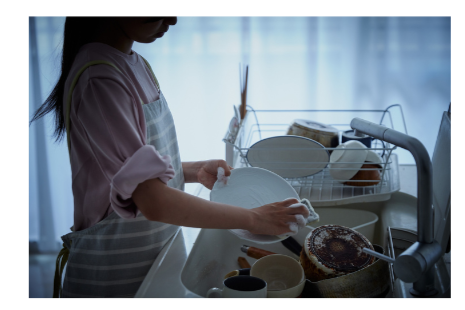
She notices it on a Tuesday night.
The dishwasher is humming. The counters are wiped down. The laundry is already folded. Dinner is handled. Again.
Her partner is on the couch, answering emails, unaware that something tight has settled in her chest. Not anger exactly. Not sadness either. It’s closer to resignation.
If I just do it myself, I won’t be disappointed.
That thought feels practical. Protective. Even generous. And yet, underneath it, resentment is building.
This is how control in relationships often shows up. Not through ultimatums or micromanaging, but through over-functioning. Doing more so you don’t have to ask. And then be disappointed. Anticipating needs so you don’t have to feel let down. Taking responsibility so you don’t have to risk conflict or feel like you’re too much.
From the outside, it can look like competence. From the inside, it’s often anxiety.
This post explores how anxiety coping patterns can drive relational control behaviors, how fear of abandonment can shape these dynamics, and how to soften control without losing yourself, or the relationship.
When Control Looks Like Doing It All
When many people think of control in relationships, they think about something overt: telling a partner what to do, needing things done a certain way, insisting on constant reassurance.
But some of the most powerful forms of relational control behaviors are subtle and socially rewarded.
Doing all the emotional labor, for example. Managing the household without being asked. Anticipating problems before they arise. Absorbing disappointment instead of expressing it.
In this storyline, she tells herself she’s just being efficient. That it’s easier this way. That her partner would help if she asked, but it feels risky. Or, that he wouldn’t do it the right way, and correcting would feel even more exhausting and frustrating. It feels vulnerable. Like setting herself up to be disappointed.
So she doesn’t ask.
And over time, a pattern forms.
She’s doing all the work, and she’s resenting it.
The Anxiety Beneath the Pattern
At the core of this dynamic isn’t a desire for power or even necessarily an unhelpful spouse. It’s a desire for safety.
Anxiety is deeply oriented around prevention. It asks: How do I make sure this doesn’t hurt? How do I keep things from falling apart?
For someone with a strong fear of abandonment, unmet needs can feel threatening. Not just frustrating, but destabilizing. The nervous system learns that relying on others is uncertain, and uncertainty feels dangerous.
So anxiety offers a solution: Don’t rely. Don’t need. Don’t ask. Don’t risk disappointment.
Doing everything yourself becomes an anxiety coping pattern. It avoids the risk of asking and being disappointed, of having to redo it yourself, or of being seen as weak, needy, or demanding for wanting help. It’s a coping patterns that reduces short-term distress while quietly increasing long-term strain.
How Fear of Abandonment Shapes Control
Fear of abandonment doesn’t always sound or feel dramatic. Often, it whispers.
If I ask and they don’t follow through, what does that say about my importance? If I need too much, will they pull away? If I stop holding everything together, will the relationship fall apart?
In this way, control in relationships becomes less about changing the other person and more about managing your own vulnerability.
At first she tells herself she’s being understanding. Flexible. Low-maintenance.
But over time, she begins to believe the stories her fear of abandonment tells her. They won’t follow through if I ask. They will pull away if I need more. The relationship will fall apart if I stop holding everything together.
And here, people-pleasing can begin, or strengthen if it’s already a pattern she holds.
Not as a desire to be liked at all costs, but as another anxiety coping pattern designed to maintain safety. If I’m agreeable enough, low-maintenance enough, easy enough, maybe I won’t be abandoned. Maybe I won’t ask for something that becomes the reason someone pulls away.
In this context, people-pleasing becomes an attempt to manage outcomes by managing yourself.
And her body tells a different story. Not one of being easy-going and flexible, but of bracing for disappointment.
Tight shoulders. A clenched jaw. A low-level irritability that flares unexpectedly. These are signs that something important is being swallowed instead of shared.

When Over-Functioning Turns Into Resentment
Resentment doesn’t mean you’re unkind or ungrateful. It also doesn’t necessarily mean that you’ve been mistreated or hurt, although it feels that way.
Resentment is often grief for needs that went unspoken.
In our storyline, she starts noticing small things:
He doesn’t notice how much she’s carrying
He assumes things will just get done
He seems relaxed while she’s constantly scanning
And yet, she also feels trapped. Because the system works. The house runs smoothly. Conflict is avoided. Disappointment is minimized.
At least on the surface.
Underneath, relational control behaviors are quietly reinforcing a belief: My needs are less important than maintaining stability.
Why Anxiety Coping Patterns Are Hard to Let Go Of
Anxiety coping patterns persist because they work. Temporarily.
Doing it all herself prevents the immediate discomfort of asking. Not asking prevents the possibility of being let down. Not being let down prevents the activation of fear of abandonment.
The nervous system registers this as success.
But over time, the cost becomes clear:
Emotional distance grows
Intimacy feels uneven
Exhaustion sets in
Self-abandonment becomes the norm
Many people reach a moment where they realize: I’m protecting myself from disappointment, but I’m also protecting myself from closeness.

Control vs. Choice in Relationships
Letting go of control does not mean letting things fall apart.
It means shifting from automatic over-functioning to intentional choice.
Control in relationships is driven by anxiety and fear. Choice is driven by values and self-trust.
Choice sounds like:
I’m noticing the urge to do this myself. What would it be like to ask instead?
I can tolerate the discomfort of needing something.
I can survive disappointment without collapsing.
This shift doesn’t happen overnight. It happens in small, deliberate moments and through a lot of intentional practice.
Softening Control Without Losing Yourself
1. Notice the Protective Story
Before changing a behavior, it helps to understand the story behind it.
Ask yourself:
What am I trying to prevent right now?
What feels risky about not stepping in?
What am I afraid would happen if I didn’t do this?
Often, the answer leads back to fear of abandonment or fear of being unseen.
Naming this gently, not critically, creates space for choice.
2. Practice Asking Without Over-Explaining
For many people, asking feels harder than doing.
Anxiety often insists you justify your needs, soften them, or present them perfectly. But clear requests build healthier dynamics than silent sacrifice.
This might sound like:
Could you handle the dishes tonight?
I need more help with the morning routine.
No backstory is required, even when your nervous system wants you to explain everything.
The goal isn’t to control the response. It’s to allow yourself to be seen.
3. Tolerate Imperfect Outcomes
Letting go of control often means tolerating things being done differently, or not at all.
This is where anxiety spikes.
But each time you allow a partner to show up in their own way, you give your nervous system new data: I don’t have to manage everything to stay connected.
Discomfort here is not failure. It’s growth.
4. Reconnect With Your Own Needs
Relational control behaviors often pull attention outward.
Softening control requires turning inward.
Ask yourself regularly:
What do I need right now?
What am I feeling but not expressing?
Where am I carrying more than my share?
Needs don’t make you demanding. They make you human.
What Changes When Control Softens
When control loosens, resentment often softens too.
Not because everything suddenly feels fair, but because you’re no longer erasing yourself to maintain peace.
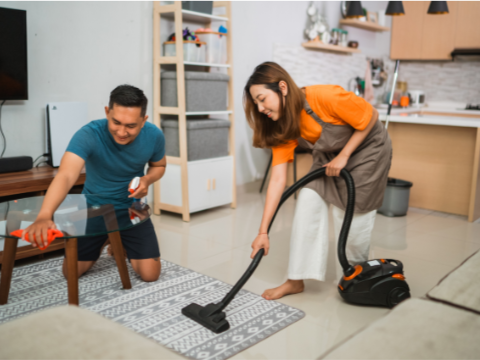
In our storyline, she doesn’t stop caring. She doesn’t stop contributing. But she starts choosing when to step in. And when to step back.
She risks asking. She tolerates discomfort. She trusts herself to handle whatever comes next.
And slowly, the relationship becomes less about management and more about connection.

These patterns develop for a reason.
Control in relationships is often an intelligent response to emotional uncertainty. Anxiety coping patterns are learned, not chosen. Fear of abandonment comes from real experiences of loss or inconsistency.
Letting go of control isn’t about becoming less invested.
It’s about staying invested, without losing yourself in the process.
If this storyline feels familiar, and you’re noticing how anxiety may be driving control in your relationships, therapy can be a place to slow this pattern down and understand it with more compassion.